
COLLABORATIVE THERAPY Mississauga

Family Therapy Mississauga
Our family therapists in Mississauga offer a safe, supportive space for families to reconnect and move forward together — in person or online across Ontario.
How therapy can help you and your family:
Better Communication

Deeper Connection
Healing Patterns

Relationships are worth the effort
Family therapy is an investment in understanding each other more deeply and breaking patterns that keep you stuck. Through structured family counseling and family psychotherapy, it creates a safe space where everyone’s voice matters and healing becomes possible.
Collaborative Therapy provide guidance and support to give you space for an open and honest communication
FAMILY THERAPY MISSISSAUGA
What Are Some Of The Reasons To Consider Therapy in Your Family?
-
Therapy helps families speak honestly and listen with curiosity, not just react. Over time, this leads to fewer misunderstandings and more meaningful conversations.
-
Unspoken hurts and unresolved conflicts often linger under the surface. Family therapy creates space to acknowledge pain, repair trust, and move forward.
-
Major changes—like divorce, grief, or blending families—can shake up dynamics. Therapy provides support and structure during these stressful times.
-
Even when there’s no crisis, therapy can deepen emotional bonds and increase empathy, helping families feel more connected and supported.
-
Families often get stuck in cycles of blame, avoidance, or reactivity. Therapy helps identify these patterns and build new, healthier ways of relating.
-
Every person in the family deserves to feel seen and valued. Therapy ensures that each voice is heard, making space for healing across generations.
Mississauga Therapists Offering Family Therapy
-
![Kate Jurowicz | Psychotherapist in Mississauga | Collaborative Therapy]()
Kate Jurowicz
-
![Ivona Szostak]()
Ivona Szostak
-
![Komal Pihava Psychotherapist - Collaborative Therapy]()
Komal Pithava
-
![David Yuskoski - Collaborative Therapy Mississauga]()
David Yuskoski




How do you know that you should get help?
If you and your family are struggling with:
constant tension
avoidance
frequent conflict
silence
blame
miscommunication
disconnection
resentment
exhaustion
walking on eggshells
loneliness

Why Collaborative Therapy?
We Get to Know You
Understanding your history, experiences, and challenges is the first step in building trust and connection. A skilled family therapist takes time to understand each perspective.
We Develop a Plan
We work with you to understand your goals and identify key concerns. Using proven family therapy techniques, we create a structured plan tailored to your needs.
We Work with You
Each session builds toward meaningful change. We guide you through the steps in family therapy, adjusting strategies as you progress through different stages of healing.
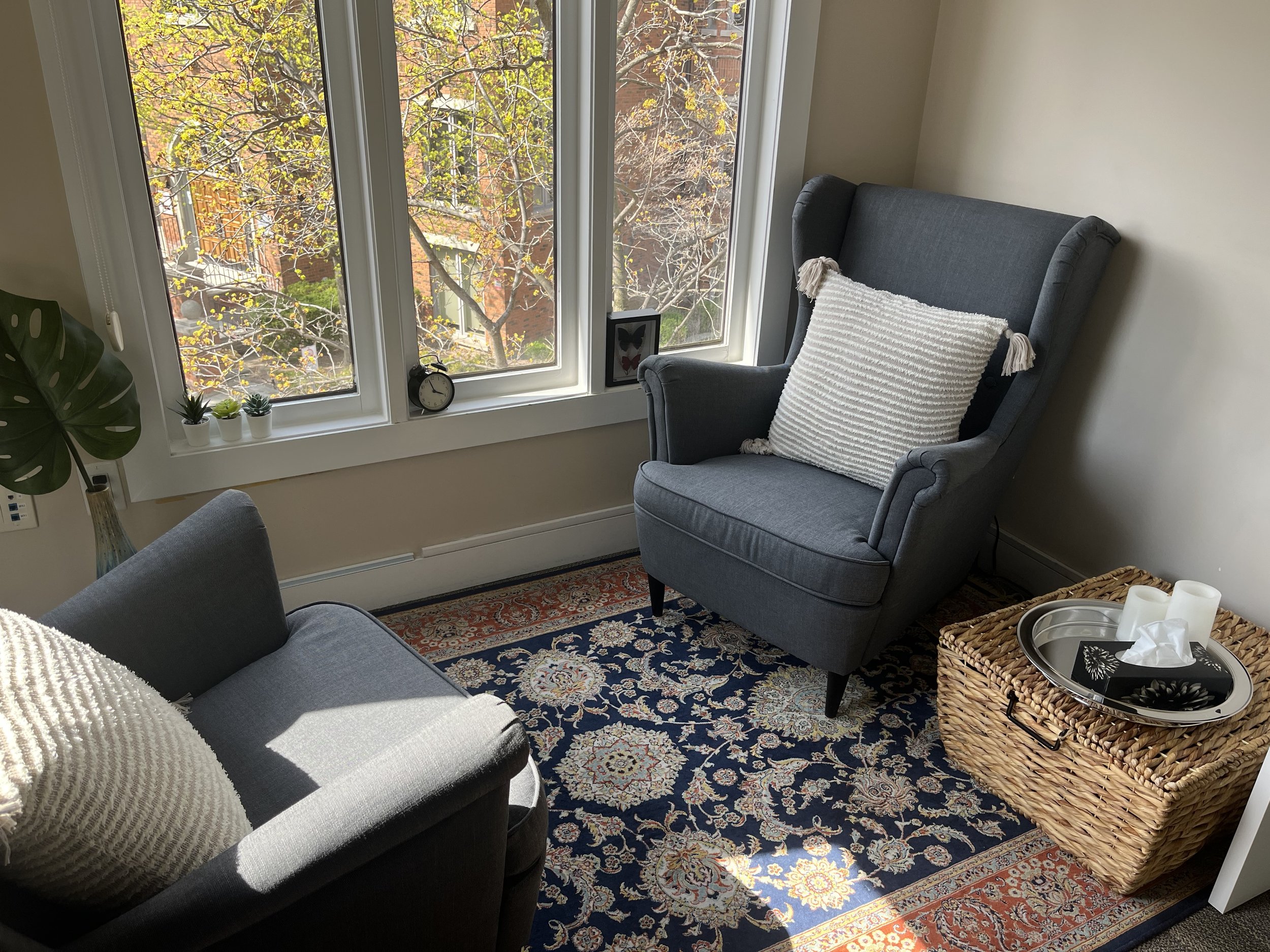
Our Therapeutic Approaches
Our therapy sessions begin by meeting as a couple and then holding individual sessions to understand each family member’s history and experiences. This is a cooperative process; we do not view anyone as "the problem." Instead, we focus on harmful patterns and work together to break them.

What To Expect From Family Therapy in Mississauga
Improved Communication: Where you can express your feelings and needs more openly and honestly.
Conflict Resolution: Therapy gives you tools for managing and resolving conflicts
Increased Understanding: Family members gain deeper insights into each other’s perspectives
Enhanced Emotional Intimacy: Family Therapy Mississauga encourages emotional vulnerability
Building Healthy Patterns: Where you learn to reinforce positive behaviors while reducing negative ones.
Reinforcing Commitment: Engaging in therapy can reinforce the commitment to the relationship,
Learning Co-parenting Skills: Strategies for co-parenting effectively, ensuring a stable environment for their children.
Family therapy can also support difficult life events, including family therapy for divorce, family counseling after trauma, and therapy for grief in families, helping families heal and move forward together.
Questions About Family Therapy
-
Family therapy works by bringing family members together in a safe, structured space to explore patterns, improve communication, and address underlying issues. A therapist guides the process, helping each person feel heard while supporting the family in creating healthier ways of relating.
-
The length of family therapy varies depending on your goals and the challenges you're facing. Some families see meaningful change in a few sessions, while others benefit from ongoing support over several months.
-
In family therapy, therapists remain neutral and do not take sides to create a safe environment for everyone. Their role is to facilitate open communication and understanding, helping each person express their feelings and perspectives. By staying unbiased, therapists encourage fairness and respect during discussions, focusing on the relationships rather than individual grievances. This approach allows everyone to feel heard and supported while working toward resolution and healing.
-
You might consider family therapy if you’re experiencing ongoing conflict, communication breakdowns, emotional distance, or if past issues are affecting your relationships. If you feel stuck or unable to resolve patterns on your own, therapy can help bring clarity and healing.
Book a free 15 minute consultation to determine how to move forward
-
To choose the right family therapist, start by looking for a licensed professional with experience in couples therapy. Check their qualifications, such as their education and training, to ensure they have the right background. Consider their approach to therapy; some may focus on communication skills while others might address deeper emotional issues. Finally, schedule an initial session to see if you feel comfortable with their style and if it feels like a good fit for you and your family.
-
The main types of family therapy include Structural Therapy, Strategic Therapy, Systemic Therapy, and Narrative Therapy. Each approach focuses on improving communication and resolving family conflicts in different ways.
-
In family therapy, family members meet with a therapist to discuss issues, improve communication, and understand each other better. The goal is to resolve conflicts and strengthen relationships through guided sessions.
-
Family therapy is a type of mental health treatment that helps families work through problems together. It focuses on improving relationships, behavior patterns, and emotional support within the family system.
-
The 5 stages of family therapy are:
Engagement
Assessment
Goal setting
Intervention
Evaluation and closure
These stages help guide the process of healing and improving family relationships.

How To Get Started
Request a Consultation
.